
Fall has a wardrobe problem: it rarely stays in one mood. A chilly school run gives way to a warm playground, then the evening breeze arrives when the jacket is somewhere under a car seat. Toddlers add their own weather system, too. One minute they are sitting in the stroller; the next, they are racing through leaves.
That daily swing calls for clothes that can change with them. Well-planned fall outfits for kids use soft, lightweight pieces that are easy to add, remove, and carry. These five practical choices can make autumn dressing easier while giving children plenty of room to look and feel like themselves.
Why Fall Layers Work Better Together
Layering gives parents more control as temperatures and activity levels change. Several light garments hold warmth between them, while allowing one piece to come off when a child heats up. For young children, an extra layer can be helpful during colder hours, especially when they are sitting in a stroller or playing at a slower pace. Once they start running, climbing, or moving indoors, that layer can be removed to keep the outfit comfortable.
Think in three parts: a base against the skin, a middle layer for warmth, and an outer layer for wind or light rain. Ask your child to reach, squat, sit, and twist after dressing. Adjust anything that pinches, shifts, or slows movement.

Five Thoughtful Ways to Dress for Changing Days
A useful fall outfit should respond easily to shifting temperatures, active play, and time spent indoors. These five layering choices help parents build comfortable combinations that toddlers can wear from the morning school run through the cooler hours of the evening.

1. Start With a Base That Feels Good All Day
The base layer stays with your child the longest, so every detail matters. Cotton and Lyocell are well suited to everyday fall dressing because they feel soft against the skin and leave children free to move. Lightweight fall shirts for toddlers can be worn alone, beneath a cardigan, or under an open overshirt as the temperature changes.
Before dressing, check for:
-
Breathable fabric
-
Smooth necklines
-
Neatly finished seams
-
Comfortable shoulder room
-
Soft labels and trims
If your toddler repeatedly pulls at a neckline, sleeve, or label, the garment may be rubbing or restricting movement.
2. Match the Middle Layer to the Moment
The middle layer provides most of the adjustable warmth during fall. Choose one that slides easily over the base and leaves enough room for reaching, climbing, and independent bathroom trips.

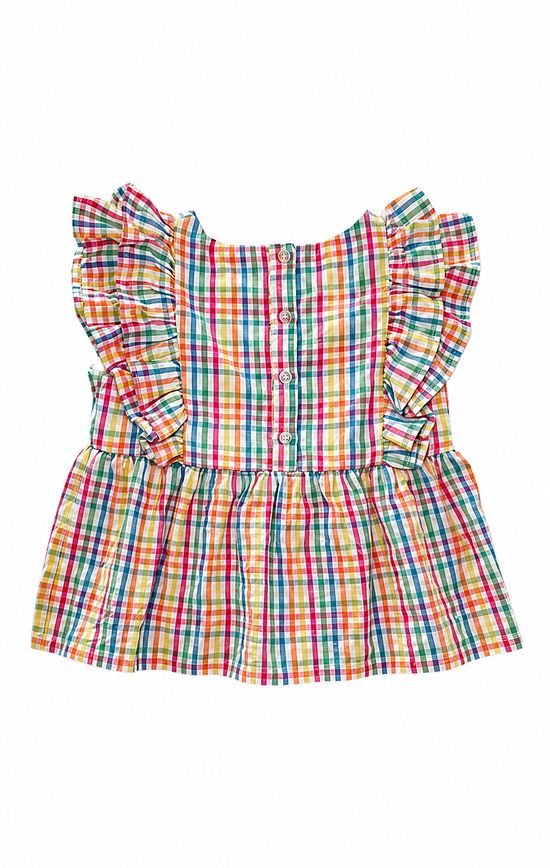
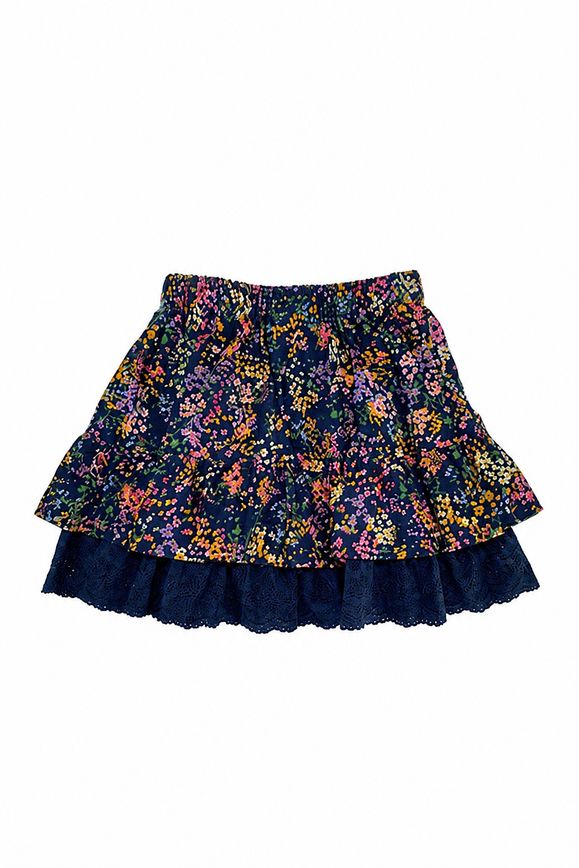
Checks, warm earth tones, quiet florals, and unexpected color can bring personality to cute fall outfits for kids. Let one print or shade take the lead, then build the remaining pieces around it.
3. Keep Outerwear Light and Ready
A fall jacket may begin the morning on your child and spend the afternoon folded inside a tote or resting in a preschool cubby. Choose one that is light enough to carry and roomy enough to sit over the planned layers without pulling across the back or shoulders.
Cotton jackets and shackets suit dry days, while a water-resistant shell helps during light rain or windy weather. Snaps, buttons, zippers, and elastic finishes are practical choices for active toddlers. Avoid loose cords or dangling details that could catch during playground play.
Even when the afternoon forecast looks warm, keeping a light jacket nearby prepares the outfit for shade, wind, or a cooler walk home.
4. Bring Favorite Dresses Into Fall
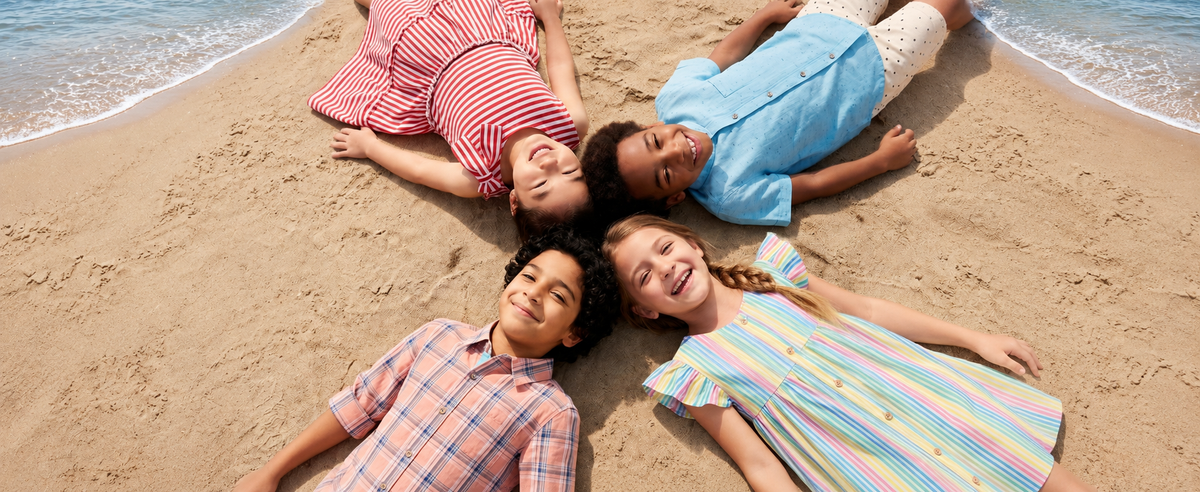
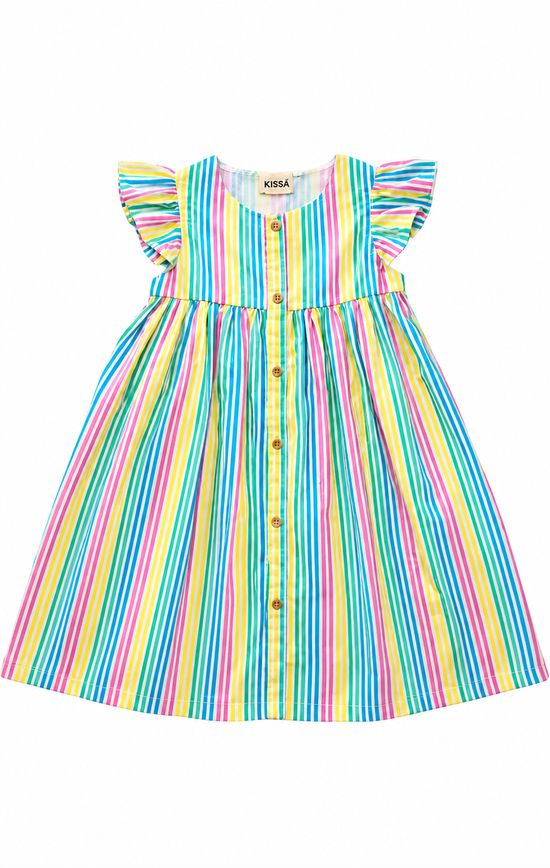
A change in season does not have to send every dress to the back of the closet. Sleeveless and short-sleeve styles can stay in rotation with a few comfortable additions. When choosing fall dresses for kids, look for enough room through the armholes and body to accommodate a layer underneath.
Easy combinations include:
-
Sleeveless dress + long-sleeve tee + sneakers
-
Printed dress + solid cardigan + leggings
-
Cotton dress + lightweight jacket + knee socks
-
Long-sleeve dress + knit vest + ankle boots
Allow one garment to guide the look. A lively printed dress pairs well with quieter layers, while a solid dress gives a patterned cardigan or textured vest more room to stand out. The finished outfit should still allow easy sitting, running, climbing, and floor play.
5. Plan Around the Day, Then Check the Weather
A temperature reading cannot account for every part of a toddler’s schedule. A child sitting in a stroller may need more warmth than one running across a playground. Heated classrooms, cool grocery stores, shaded parks, car rides, and damp grass can each change how the same outfit feels.
Before getting dressed, consider:
-
How long will your child be outdoors?
-
Will they spend more time moving or sitting?
-
Can a parent, teacher, or caregiver remove a layer easily?
Check your child’s upper back, chest, or neck during the day. Warm, dry skin usually means the outfit feels comfortable. Dampness, flushed cheeks, or a hot torso may mean one layer should come off. Wet clothing should also be changed soon after rain or energetic play, since it can feel cold once movement slows.
A Smaller Closet With More Outfit Possibilities
A useful fall wardrobe grows from coordination. Choose a small family of colors, then add one or two compatible prints. Three base tops, two bottoms, a dress, two middle layers, and a jacket can create several fall outfits for kids without filling every drawer.
Gentle waistbands support independent dressing, wide neck openings make changing easier, and finished seams sit comfortably beneath other garments. Pockets carry important leaves and pebbles, while washable fabrics help favorite pieces return quickly to rotation. Versatile fall shirts for toddlers can be worn alone, beneath a cardigan, or open over a lightweight tee.
Before buying, picture three combinations using clothes already at home. A checked shirt might sit over a tee or under a knit, while fall dresses for kids can move from sneakers to tights and boots. A few well-matched colors, textures, and prints can create cute fall outfits for kids while giving every garment more opportunities to be worn.
Wrapped in Warmth, Ready for the Next Story
Good fall layering follows a child through the day. Begin with a soft base, add one useful middle layer, and keep weather-ready outerwear nearby. The most practical fall outfits for kids bring together breathable fabrics, comfortable fits, and coordinated separates that can move easily from warmer afternoons to cooler evenings.
Kissa brings the same attention to comfort and character to every piece. Natural fabrics, thoughtful craftsmanship, and refined silhouettes give little personalities room to move, explore, and lead their own stories. When clothes feel gentle, fit comfortably, and adapt as the day changes, children can focus on what matters to them: racing through leaves, gathering tiny treasures, and deciding where the afternoon goes next.

Frequently Asked Questions
How many layers should a toddler wear in fall?
Begin with a breathable base, one removable middle layer, and a lightweight jacket nearby. Activity, indoor heating, and changing weather should guide adjustments.
Which fabrics work well for toddler fall clothing?
Soft cotton and Lyocell suit everyday layers. Fine knits add warmth. Consider breathability, movement, weather, and time outdoors.
How can parents tell when a toddler feels too warm?
Feel the upper back, chest, or neck. Hot, damp skin or flushed cheeks can signal excess warmth. Remove one layer and check again.
Can children keep wearing dresses during fall?
Yes. Add a long-sleeve tee, cardigan, leggings, tights, or closed-toe shoes. Choose enough room for added layers and movement.
What makes a practical preschool fall outfit?
A breathable shirt, comfortable pants, a removable cardigan, and a light jacket work well. Easy closures help toddlers and teachers manage changes.
How can families build fall outfits on a smaller budget?
Use transitional clothes already owned, then add coordinated layers. Choose new garments that work with at least three existing outfits.